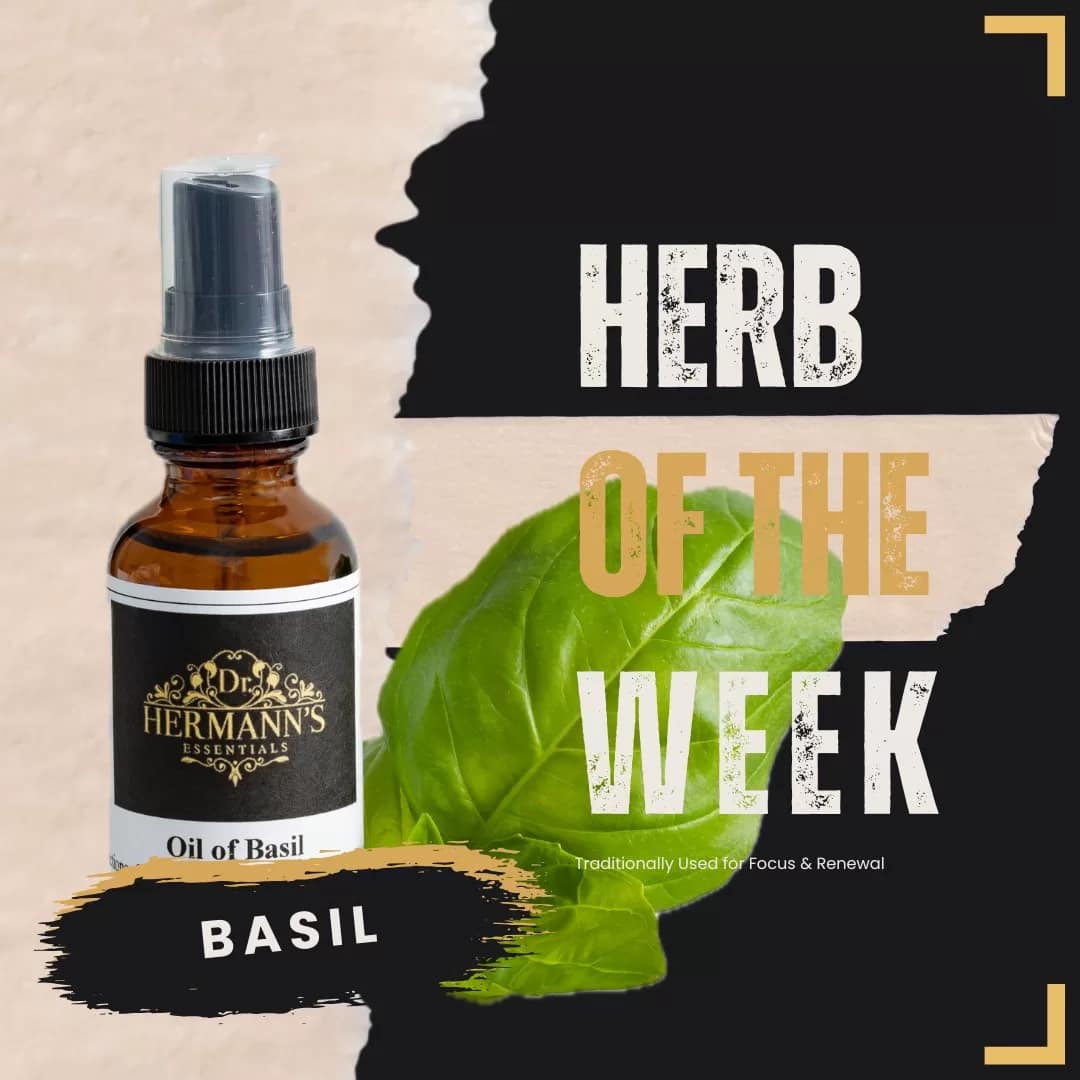
Few herbs are as beloved—or as versatile—as Basil. Known as the “king of herbs” (Ocimum basilicum), this fragrant plant has graced gardens, kitchens, and healing traditions for thousands of years. Its bright, peppery-sweet aroma evokes sun‑drenched Mediterranean summers, yet its uses stretch far beyond the culinary realm. At Dr. Hermann’s Essentials, we cherish Basil for its remarkable ability to sharpen the mind, soothe the spirit, and elevate everything from pasta to pesto.
The Essence of Basil: A Herb with Ancient Roots
Basil belongs to the mint family (Lamiaceae) and is native to tropical regions of Asia and Africa, though it has become synonymous with Italian and Mediterranean cooking. The name “basil” comes from the Greek basileus, meaning “king,” reflecting the high esteem in which it was held. Ancient Greek and Roman cultures associated basil with royalty and used it in ceremonies; in India, holy basil (Ocimum tenuiflorum, or tulsi) is revered as a sacred plant with profound spiritual and medicinal significance.
Today, sweet basil (Ocimum basilicum) is the variety most commonly used in Western cuisine, celebrated for its fresh, clove‑like scent with hints of anise and mint. Its essential oil, steam‑distilled from the leaves and flowering tops, captures this vibrant essence in a highly concentrated form—making it a powerful tool for both aromatherapy and culinary creativity.
The Threefold Gift of Basil
1. A Sharp Mind: Clarity, Focus & Alertness
Basil’s crisp, invigorating aroma has been traditionally used to clear mental fog and enhance concentration. In Ayurveda, basil is considered a medhya rasayana—an herb that supports intellect and memory.
- Mental Clarity: The fresh, penetrating scent of basil essential oil is known to help combat mental fatigue and sharpen focus. Diffusing basil in a workspace or study area can create an environment conducive to sustained attention and clear thinking.
- Stress Reduction: While it energizes, basil also helps ease the tension that often accompanies mental strain. Its unique chemistry—rich in linalool and eucalyptol—contributes to a balanced state of alert calm, making it a valuable companion during exams, deadlines, or creative projects.
- Traditionally Used For: Supporting memory, improving concentration, and reducing mental exhaustion.
Traditionally used to: Promote mental clarity, enhance focus, and ease mental fatigue.
2. A Soothing Balm for Daily Tension
Basil’s aromatic properties extend beyond the mind to the emotions. Its uplifting yet grounding scent is traditionally used to help ease feelings of stress, nervousness, and overwhelm.
- Emotional Balance: In aromatherapy, basil is considered a “nervine”—an herb that supports the nervous system. Inhaling its aroma can help calm frayed nerves and restore a sense of equilibrium after a hectic day.
- Muscle Comfort: When diluted in a carrier oil, basil essential oil is traditionally used in massage to help soothe tired, aching muscles. Its warming, anti‑inflammatory properties provide gentle relief for physical tension.
- Traditionally Used For: Easing nervous tension, supporting relaxation, and soothing muscle discomfort.
Traditionally used to: Calm daily stress, support emotional balance, and ease muscular tension.
3. A Culinary Cornerstone & Digestive Aid
Basil’s role in the kitchen is legendary. From pesto Genovese to fragrant Thai curries, it adds a burst of fresh, peppery flavor that brightens countless dishes. But its benefits go beyond taste.
- Flavor Enhancement: Basil essential oil (in food‑safe, syrup‑based or oil‑based formulations) can be used to intensify the herb’s natural flavor in sauces, dressings, marinades, and even cocktails. A few drops can transform a simple tomato sauce into a dish that tastes like it was made with garden‑fresh basil.
- Digestive Support: Basil has been traditionally used to support healthy digestion. Its carminative properties help ease occasional bloating and gas, making it a wonderful addition to rich meals.
- Antioxidant & Antimicrobial: Basil is rich in polyphenols and volatile compounds that exhibit antioxidant and antimicrobial activity, helping to preserve food and support overall wellness.
- Traditionally Used For: Enhancing flavor, supporting digestion, and promoting overall gut comfort.
Traditionally used to: Elevate culinary creations, support healthy digestion, and provide antioxidant benefits.
A Note on Varieties & Safety
Not all basil is the same. Sweet basil (Ocimum basilicum) is the most common culinary variety, but there are also exotic types like Thai basil, lemon basil, and holy basil (tulsi), each with a distinct aroma and chemical profile. For aromatherapy and culinary use, sweet basil is typically preferred for its familiar scent and gentle properties.
Important safety guidelines:
- For topical use: Always dilute basil essential oil with a carrier oil (jojoba, sweet almond, etc.) before applying to skin. A 2–3% dilution (about 5–10 drops per tablespoon of carrier oil) is a safe starting point.
- For internal use: Only use essential oils that are specifically labeled for culinary use, such as Dr. Hermann’s syrup‑based or oil‑based formulations. Never ingest essential oils that are intended for aromatherapy only.
- Skin sensitivity: Basil oil can be mildly irritating to sensitive skin. Perform a patch test before regular use.
- Pregnancy and children: Consult a healthcare professional before using basil essential oil during pregnancy or on young children.
How to Welcome Basil into Your Life
For Mental Clarity:
Diffuse 3–4 drops of basil essential oil in your home office or study area when you need to concentrate. You can also add a drop to a personal inhaler for an on‑the‑go focus boost.
For Stress Relief:
Blend 5 drops of basil oil with 10 ml of carrier oil and use for a gentle shoulder and neck massage. Inhale deeply as you apply.
For Culinary Magic:
- Add 1–2 drops of Dr. Hermann’s syrup‑based Basil Oil to a bowl of fresh pesto before tossing with pasta.
- Spritz 3–4 drops into tomato soup or marinara sauce just before serving to intensify the basil flavor.
- Elevate a simple vinaigrette by whisking 2 drops of basil oil into olive oil, lemon juice, and a touch of honey.
For a Fresh Atmosphere:
Combine 5 drops of basil with 3 drops of lemon and 2 drops of rosemary in a diffuser to create a clean, uplifting environment that clears the air and energizes the spirit.
Experience the Vibrant Essence of Dr. Hermann’s Basil
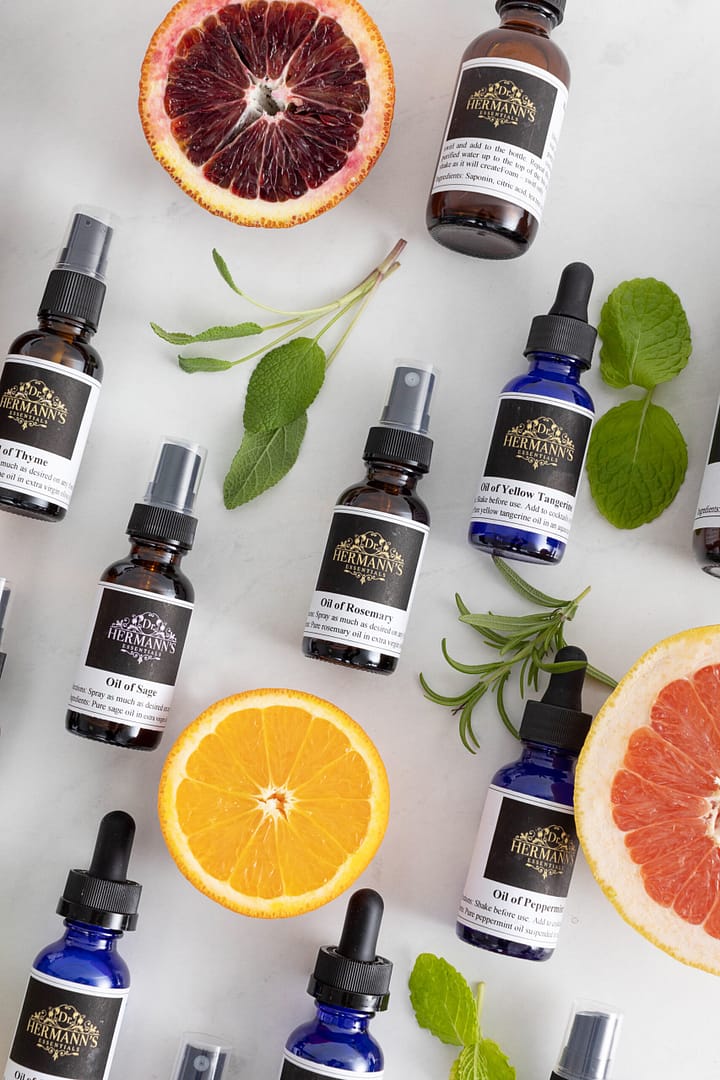
At Dr. Hermann’s Essentials, we offer Basil oil in two forms to suit your needs:
- Oil of Basil (in extra virgin olive oil): Perfect for culinary applications where an oil base is desired, such as dressings, marinades, or drizzling over finished dishes.
- Syrup‑Based Oil of Basil: Specially formulated to disperse evenly in beverages and water‑based recipes—ideal for cocktails, lemonades, and teas.
Both formulations capture the bright, peppery‑sweet essence of fresh basil, allowing you to infuse your creations with the authentic flavor and aroma of this beloved herb.
Discover the vibrant, clarifying power of Basil here: https://drhermannessentialoils.com/product-tag/basil/
How do you use basil in your life? Do you reach for it to sharpen your focus, soothe your nerves, or elevate your cooking?